Lawful intercept cell-site analysis
Cell-site analysis you can act on — and defend in court
A tower ping is not a location. Carrier maps drift, and three data sources can disagree on the same blocks. ATLAS combines carrier CDR and CSLI with field-measured coverage so investigators and analysts get a search area they can move on — and defend. It attaches to the LI and CDR workflow your shop already runs.
Why carrier data alone isn't enough
Every hour an investigation spends chasing an inaccurate location is an hour a victim, a suspect, or a first responder can't afford. Carrier data alone was never designed to carry that weight — coverage maps drift as cities grow, towers change, and environments shift. A sector's true serving area is set by antenna azimuth, height, transmit power, terrain, and buildings, and phones attach to the strongest usable signal rather than the nearest tower.
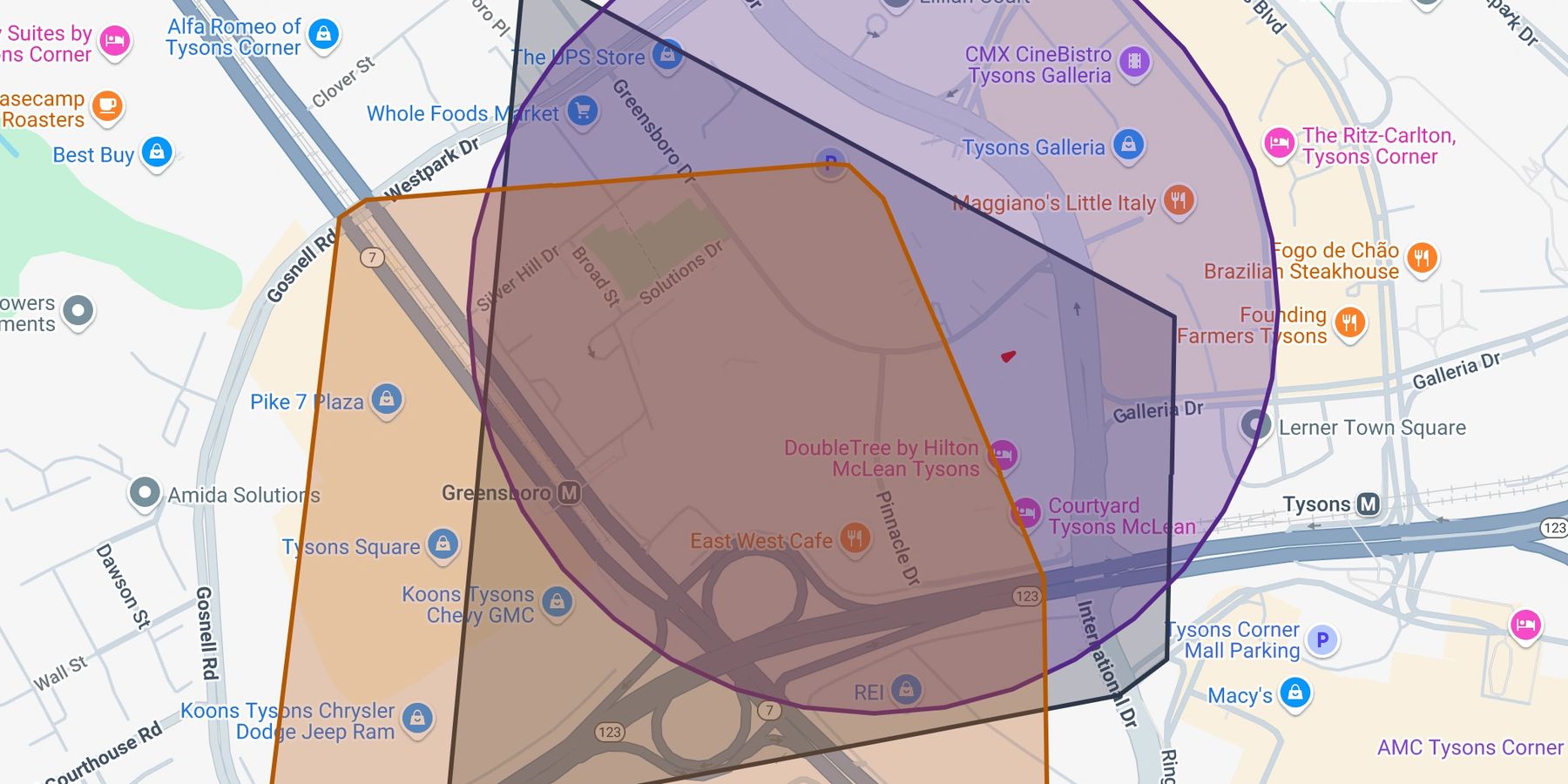
What ATLAS does: carrier data plus field-measured coverage
ATLAS ingests carrier CDR and CSLI in the formats operators deliver, then maps every record against verified, field-measured coverage rather than a drawn radius. Where measured data doesn't yet exist for an area, the ATLAS Companion app collects it in the field to close the gap — which is what makes the resulting serving areas observations rather than assertions.
Attaches to the LI and CDR system you already run
ATLAS integrates with existing lawful-interception systems and the CDR workflow your unit already operates. It is an addition to the chain, not a replacement for it.
Built for investigators and analysts
Dashboards are built for operators rather than specialists, so the people working the case can get a search area without routing every question through an analyst queue.
Not a greenfield rip-and-replace
No new evidence system to stand up, migrate to, or retrain around — ATLAS runs alongside what you have and answers one question well.
Security and anonymization
Queries are anonymized and data is securely stored, protecting the identity and privacy of users and subjects at all times.
How we start: bring a case; we'll survey your coverage
The fastest way to judge ATLAS is against a case you already know the answer to — or one where the location was contested. Bring it, or bring an operating area where you suspect the carrier coverage picture is stale, and we will survey that coverage and show you what changes. For the methodology behind the validation step, read court-defensible cell-site analysis: how validation works.
Request a demo or a trial
See ATLAS run against coverage in your own operating area.